Global Trading
FOB, CIF, DAP… Understanding Incoterms before you import
Who pays for transport, who insures, and when does risk change hands? Incoterms explained simply for African importers.
GROUP NGL AFRICA editorial teamPublished 3 min read
What is an Incoterm?
Incoterms are rules published by the International Chamber of Commerce (ICC). Written as three letters, they set out in an international sales contract who pays for what (transport, insurance, formalities) and when risk passes from seller to buyer. The current version is Incoterms® 2020.
An Incoterm is always written with a place: “FOB Shanghai”, “CIF Cotonou”. Without a precise place, it invites disputes.
Incoterms do not settle the price, the payment method or the transfer of ownership: these must be written into the contract.
The Incoterms most used for imports
- EXW (Ex Works): the seller makes the goods available at its premises. The buyer handles everything, including export formalities. Risky for a distant buyer.
- FCA (Free Carrier): the seller hands the goods, cleared for export, to the carrier chosen by the buyer. Suits containers and all transport modes.
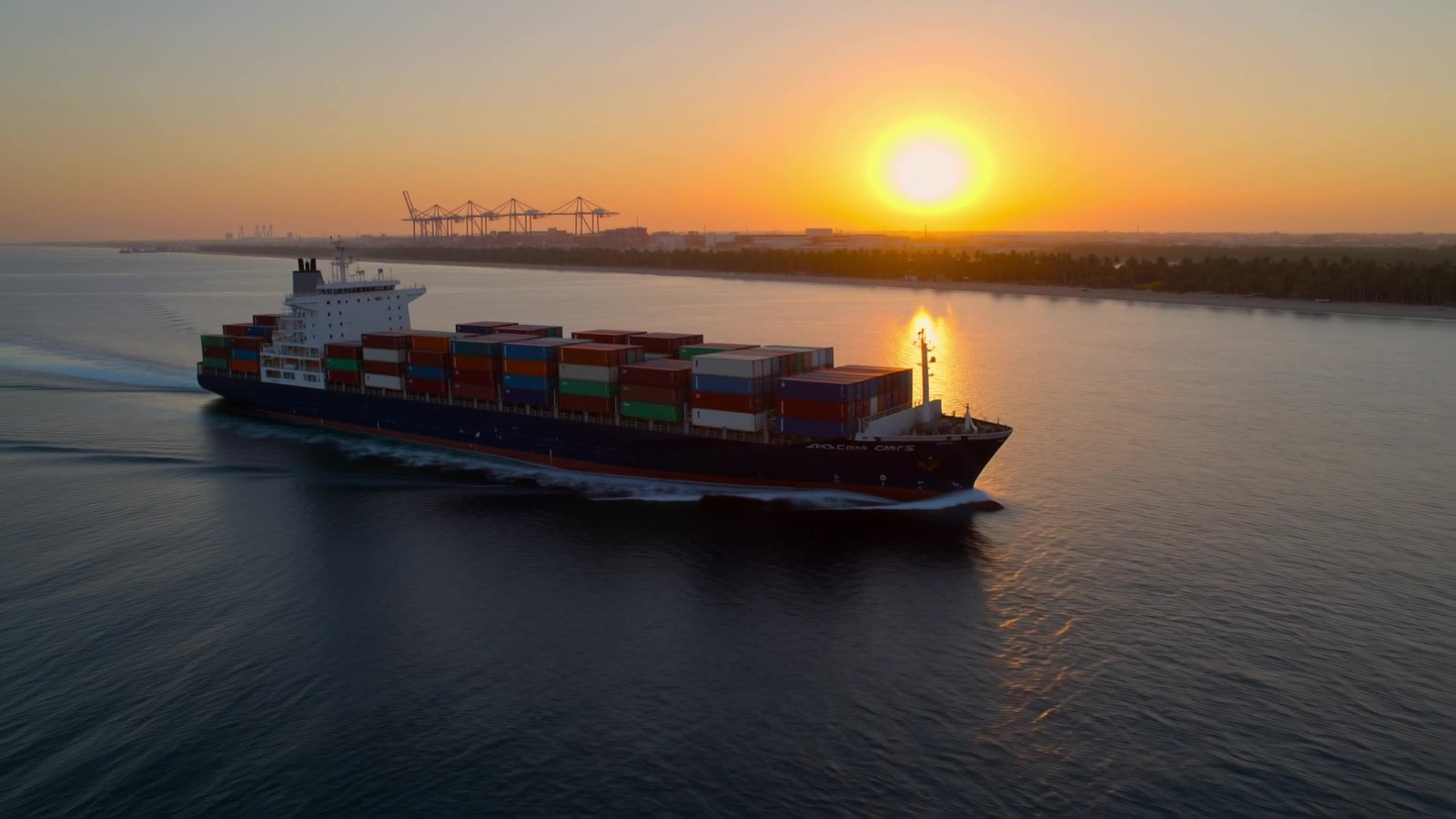
- FOB (Free On Board): the seller loads the goods on board the vessel at the port of departure. The buyer pays ocean freight and insurance.
- CFR (Cost and Freight): the seller pays freight to the port of destination, but risk passes to the buyer at loading.
- CIF (Cost, Insurance and Freight): like CFR, plus insurance taken out by the seller for the buyer's benefit.
- DAP (Delivered At Place): the seller delivers to the agreed place, not unloaded. The buyer pays import duties and taxes.
- DDP (Delivered Duty Paid): the seller covers everything, including import clearance. Rarely offered by foreign suppliers shipping to Africa.
FOB or CIF: the importer's real choice
In practice, most African importers hesitate between these two.
- With FOB, you choose your forwarder and insurer. You keep control of transport, timing and cost, but you must organise the shipment.
- With CIF, the seller handles freight and insurance to your port. It is simpler, but you do not choose the shipping line and you depend on the seller's arrangements.
Note: under CIF, the required insurance is only minimum cover. For valuable goods, ask for broader cover or top it up. And in both cases, risk passes to the buyer once the goods are on board at the port of departure.
Sea-only and multimodal Incoterms
FAS, FOB, CFR and CIF are reserved for sea and inland waterway transport. For containerised goods handed to the carrier before loading, or for air and road, the multimodal equivalents fit better: FCA, CPT, CIP.
This is often overlooked: using FOB for a container delivered to the terminal days before departure leaves the risk with the seller during a period when it no longer controls the goods.
Our advice for choosing
- First import? CIF to your port makes it simpler.
- Importing regularly? FOB or FCA with your own forwarder gives you more control and often better freight rates.
- Several suppliers? Have each deliver to your forwarder's consolidation warehouse, then ship together.
- In every case, write the Incoterm, the place and the version (“FOB Ningbo, Incoterms® 2020”) in the contract and on the invoice.
To see Incoterms in practice, read our China – Benin sea freight guide and our palm oil bulk buying guide.
How NGL AFRICA supports you
The group buys from international manufacturers and organises export to African buyers, bringing purchase follow-up and logistics together in one service. We work on FOB as well as CIF terms, depending on what suits each client.
Discover our Global Trading pole or ask us your question.
Frequently asked questions
What is the difference between FOB and CIF?
Under FOB, the buyer pays ocean freight and insurance from loading on board. Under CIF, the seller pays freight and minimum insurance to the port of destination. In both cases, risk passes to the buyer at loading.
Which version of the Incoterms should I use?
The current version is Incoterms® 2020, published by the International Chamber of Commerce. State it in the contract together with the Incoterm and place.
Does CIF include import duties at destination?
No. Under CIF, import duties and taxes and destination port charges remain the buyer's responsibility.
Which Incoterm should I use for a container?
FOB and CIF are widely used, but for a container handed to the terminal before loading, the multimodal Incoterms FCA, CPT or CIP describe the transfer of risk more precisely.
This article is general information, not legal, customs or financial advice. Regulations change: check current requirements with the competent authorities before any operation.