Agribusiness & Food Industries
Buying palm oil in bulk: a guide for African importers
Grades, jerrycans or bulk, CIF or FOB, secure payment and loading inspection: what to check before ordering palm oil by the container.
GROUP NGL AFRICA editorial teamPublished 3 min read
Why buy palm oil from Malaysia
Palm oil is one of the most widely consumed cooking oils in West Africa, in homes as well as in catering and the food industry. Much of the refined oil imported into the region comes from South-East Asia, and Malaysia is one of the world's leading producers and exporters.
For an importer or wholesaler, buying at source by the container gives control over quality, packaging and the delivered price.
Choosing the grade: RBD Olein, CP10, CP8
Oil sold for cooking is most often refined, bleached and deodorised palm olein (RBD Palm Olein) — the liquid fraction of palm oil, cleared of impurities, colour and odour.
Grades differ notably by their cloud point, the temperature at which the oil starts to solidify. A CP8 oil stays liquid at a lower temperature than a CP10 oil: an important criterion depending on climate and use.
Before ordering, ask for the product specification sheet. The usual criteria are:
- cloud point (CP);
- free fatty acids (FFA);
- moisture and impurities;
- iodine value and colour.
Jerrycans or bulk: choosing the packaging
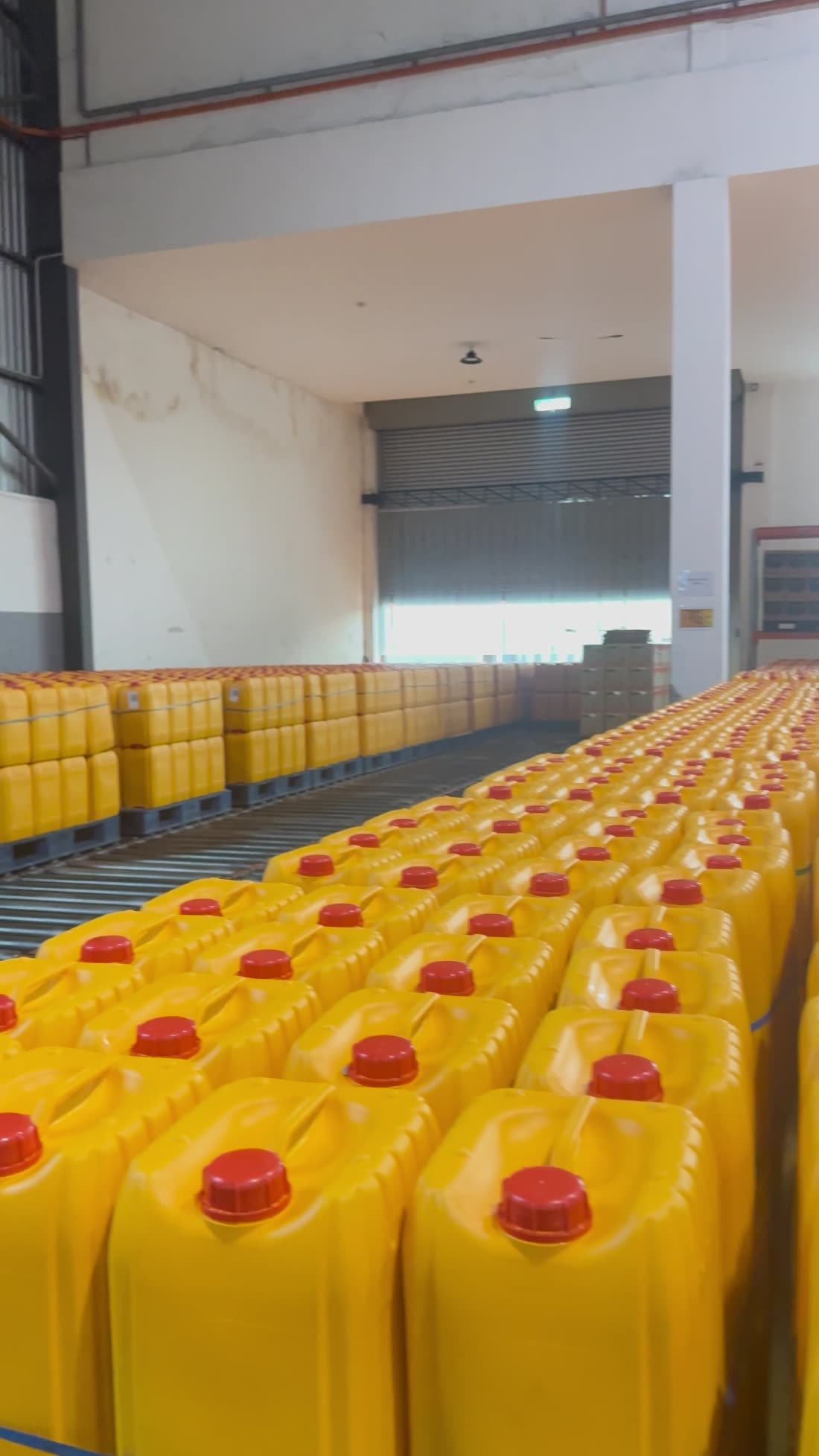
For distribution in West Africa, oil is most often delivered in 20 L or 25 L jerrycans, loaded in 20-foot containers. This format can be resold as is to semi-wholesalers and retailers, with no repacking.
As a guide, a 20-foot container holds 1,089 jerrycans of 25 L or 1,335 jerrycans of 20 L. Bulk shipments (ISO tank or flexitank) are better suited to manufacturers with their own storage and packing capacity.
CIF or FOB pricing: which to choose
The price of imported oil depends on the Incoterm:
- FOB Port Klang: the price covers the oil loaded on board in Malaysia. You arrange and pay for ocean freight and insurance.
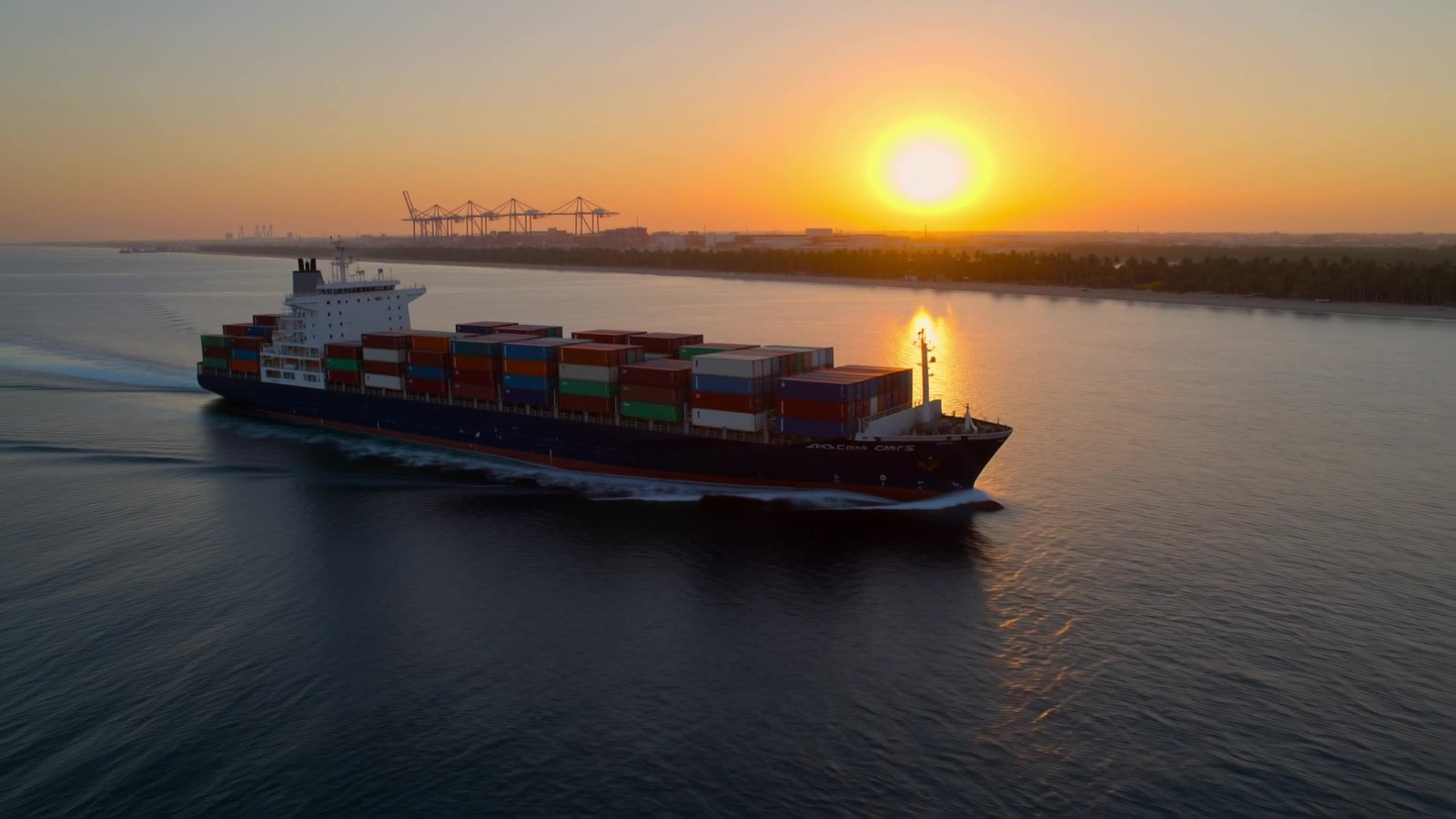
- CIF your port: the seller pays freight and insurance to the port of destination (Cotonou, Lomé, Abidjan, Dakar…). The simplest option for a first-time importer.
In both cases, import duties and taxes and destination port charges remain the buyer's responsibility. Read more: understanding Incoterms before you import.
Paying safely
The palm oil market also attracts fraudsters: abnormally low prices, payment requests to personal accounts, forged documents. A few simple rules protect the buyer:
- pay only through a bank, into an account in the selling company's name;
- prefer a letter of credit at sight, or a split transfer (deposit, then balance against documents);
- require a contract stating grade, quantity, packaging, Incoterm and schedule;
- check that the seller legally exists and that its documents are consistent.
Quality inspection at loading
An independent inspection at loading, by a recognised company such as SGS, checks quality, quantity and the condition of the jerrycans before the container leaves. The inspection certificate is part of the documents handed to the buyer.
For food products, check in advance which certificates your country requires (health certificate, certificate of analysis, certificate of origin) so that customs clearance is not delayed.
NGL AFRICA's palm oil offer
NGL AFRICA supplies RBD palm olein from Malaysia to importers, wholesalers and manufacturers, in 20 L or 25 L jerrycans by the container, in CP10 and CP8 grades.
The price is fixed before departure, CIF your port or FOB Port Klang; loading is inspected by SGS; payment is made through banks only, by letter of credit at sight or 40% / 60% transfer in the company's name. We deliver to Africa, Asia and the Caribbean.
Visit our Agribusiness pole or request a price directly.
Frequently asked questions
How many palm oil jerrycans fit in a 20-foot container?
A 20-foot container holds 1,089 jerrycans of 25 L or 1,335 jerrycans of 20 L.
What is the difference between CP10 and CP8?
The number refers to the cloud point, the temperature at which the oil starts to solidify. CP8 oil stays liquid at a lower temperature than CP10 oil.
How can I pay for a palm oil order safely?
Only through a bank, into an account in the selling company's name, preferably by letter of credit at sight or split transfer, with a written contract and an inspection at loading.
Does NGL AFRICA deliver palm oil to my port?
Yes, on CIF terms to the buyer's port. An FOB Port Klang offer is also available for buyers who arrange their own freight.
This article is general information, not legal, customs or financial advice. Regulations change: check current requirements with the competent authorities before any operation.