Mobility & Automotive
Importing a vehicle or machinery from China to Africa: steps and key checks
Choosing the model, Ro-Ro or container, documents and clearance: the steps to import a vehicle or machinery from China to West Africa.
GROUP NGL AFRICA editorial teamPublished 3 min read
Why Chinese vehicles are winning in Africa
Chinese manufacturers now offer a very wide range: passenger cars, pick-ups, vans, buses, trucks, construction equipment and industrial machinery. For African companies, transport operators and private buyers, they often strike a good balance between price, equipment and availability.
Importing a vehicle still requires more preparation than ordinary goods: the model, transport and formalities must be planned from the start.
Choosing the right model
Before talking price, ask the right questions:
- Use: city, rough roads, passengers or goods, construction sites.
- Engine and fuel available locally, and the quality of that fuel.
- Spare parts and servicing: do garages in your country know the model?
- Compliance: steering side, standards and regulations of the destination country.
- New or used: rules on importing used vehicles vary from one country to another.
Ro-Ro or container: how a vehicle travels
Two sea transport methods are used:
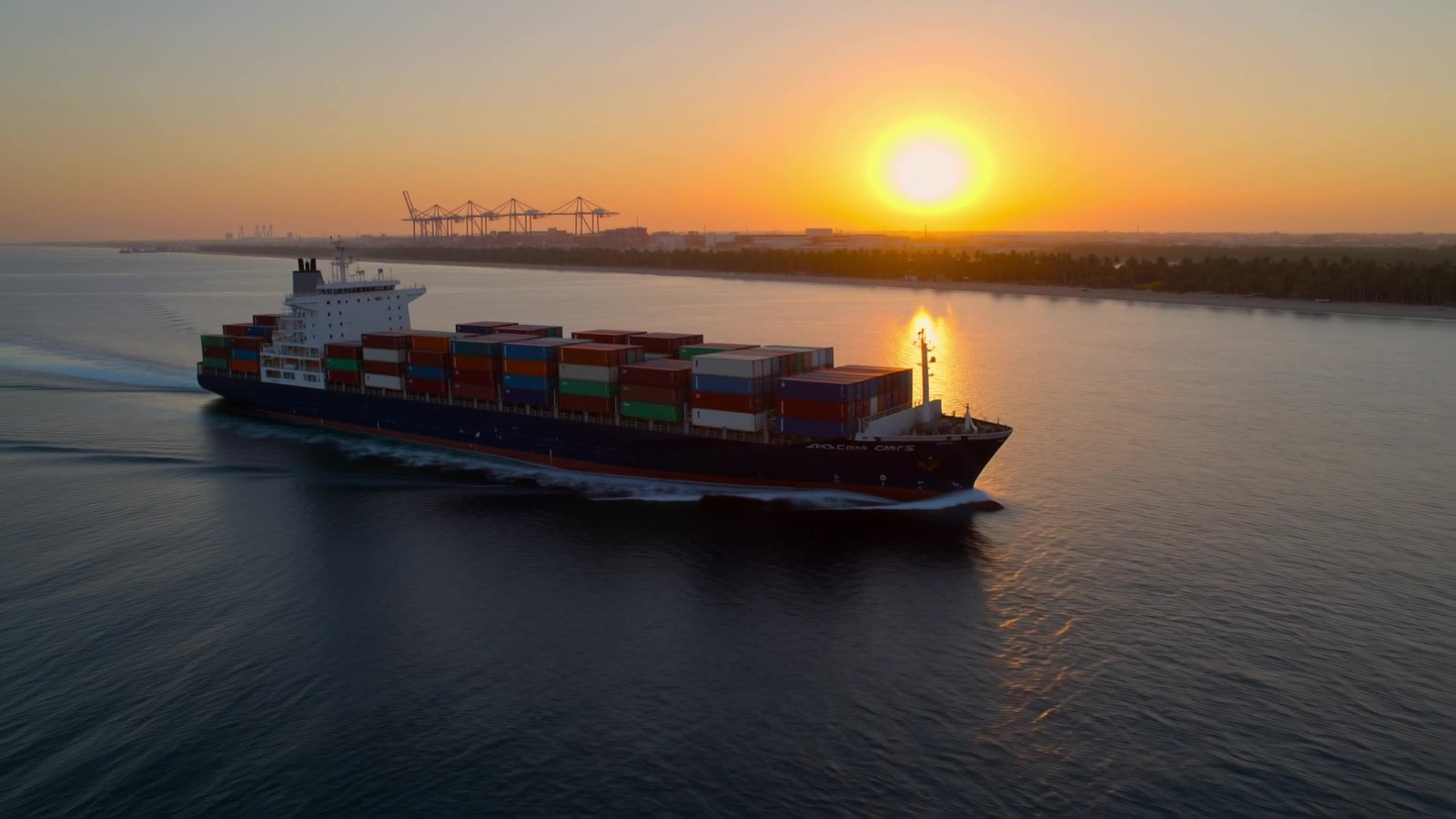
- Ro-Ro (roll-on / roll-off): the vehicle is driven onto a specialised vessel and driven off at destination. The usual solution for running vehicles and much machinery.
- Container: the vehicle is secured inside a container, alone or with others. It is better protected, and spare parts can sometimes be added.
Machinery and out-of-gauge cargo can also travel as break bulk, loaded directly in the hold or on deck. The choice depends on dimensions, the number of vehicles and the lines serving the destination port.
The steps of a vehicle import
- 1
Define the need: model, version, quantity, budget.
- 2
Get a firm offer with exact specifications (chassis number once the vehicle is allocated).
- 3
Pay through a bank, into an account in the selling company's name.
- 4
Inspect the vehicle before departure (condition, conformity with the order, photos).
- 5
Prepare export documents and book transport (Ro-Ro, container or break bulk).
- 6
Ocean transit to the port of destination.
- 7
Clear customs with a licensed broker, then register the vehicle under local rules.
Documents and formalities
Documents usually required for a vehicle are the commercial invoice, the Bill of Lading, the manufacturer's certificate of conformity or origin document, and the documents needed for registration in the destination country.
Maximum age of used vehicles, standards, taxes: each country has its own rules, and they change. Check them with the destination country's customs or your forwarder before ordering.
Plan after-sales from day one
A vehicle that finds neither parts nor a workshop is expensive. When buying, plan a stock of wear parts (filters, brake pads, belts), the service manuals and a garage able to work on the model. For a company fleet, standardising models greatly simplifies maintenance.
How NGL AFRICA supports you
The group supplies vehicles, buses, construction equipment and industrial machinery to African buyers, from sourcing to delivery at the port of destination, through its trading company CHINA MOTORS EXPORTS (CMEX) in Guangzhou.
Transport is organised by our logistics pole, by Ro-Ro, container or break bulk, loaded from Ningbo, Qingdao or Shanghai.
Discover our Mobility & Automotive pole or send us your request.
Frequently asked questions
What is the difference between Ro-Ro and container shipping?
With Ro-Ro, the vehicle is driven onto a specialised vessel. In a container, it is secured inside a box, which protects it better and sometimes allows spare parts to be added.
Can I import a used vehicle from China?
It depends on the destination country: many countries set rules on the age or standards of imported used vehicles. Check current regulations before ordering.
Does NGL AFRICA supply construction machinery?
Yes. The group supplies passenger and commercial vehicles, buses, construction equipment and industrial machinery, delivered to the port of destination.
This article is general information, not legal, customs or financial advice. Regulations change: check current requirements with the competent authorities before any operation.